OSHA
Our friends at simplified safety have just posted a great article on OSHA and the job site. It is important in that many people are afraid of OSHA (and rightfully so). However, it’s good to know what rules are those that you need to focus on at the job site. Those rules are the key to proper compliance and safety. So, as we want to keep people safe and we also want to focus on the job itself by keeping it running, this helps us to determine the best course of action.
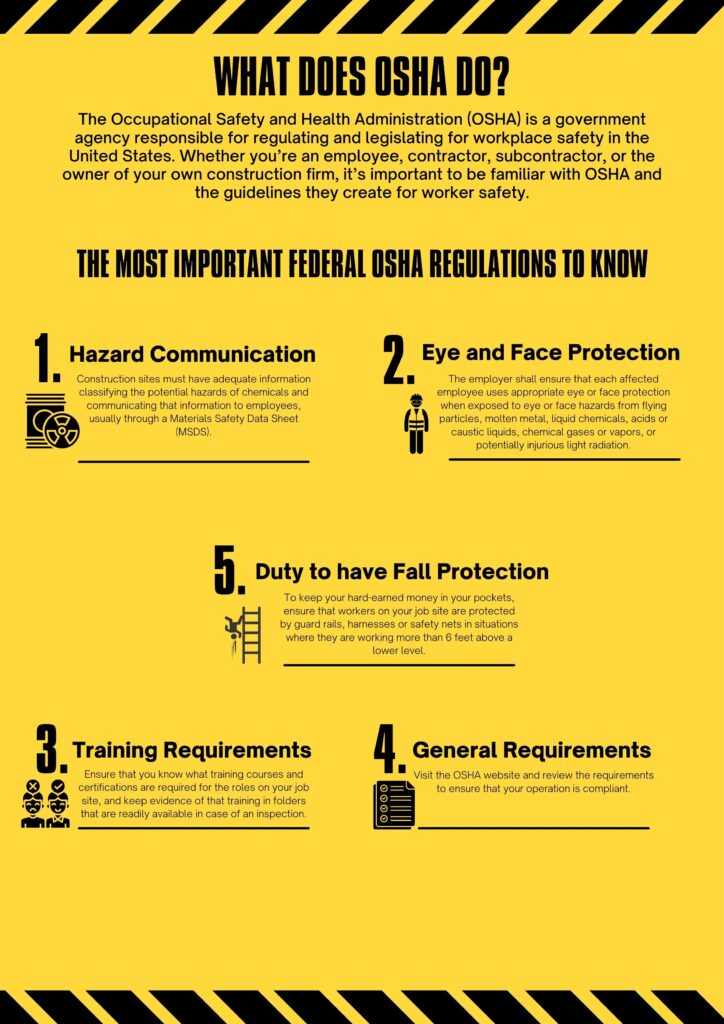
Take a look. Go to the web site and tell John Braun how much you appreciated the article.
When Can OSHA Shut Down My Jobsite?

You’ve heard all the horror stories, right? OSHA comes into a factory or onto a construction site and things are such a mess they immediately shutdown all operations. Work stops. That steel beam being lifted into place by that crane? Leave it hanging. Those trucks full of concrete? Let them go to waste. Shut down that assembly line and kill the lights. The doors slam, chains go through the handles and a big, fat padlock gets slapped into place.
Read the rest here.
FAQs
When can OSHA shut down a jobsite?
OSHA can shut down a jobsite when it identifies conditions that pose an immediate danger to workers’ safety or health and require work to stop until hazards are corrected.
Does OSHA have the authority to immediately stop work?
OSHA itself does not typically padlock a site, but it can issue citations, require hazard abatement, and seek court orders if employers fail to correct serious or imminent dangers.
What types of violations are most likely to trigger serious OSHA action?
Violations involving fall protection, trenching and excavation, electrical hazards, machine guarding, and lack of proper personal protective equipment are among the most common causes.
How can contractors reduce the risk of OSHA penalties or shutdowns?
By focusing on core safety rules, training workers, conducting regular inspections, correcting hazards quickly, and keeping required documentation up to date.
Why should contractors focus on OSHA compliance instead of fearing inspections?
Because understanding and following OSHA rules keeps workers safe, minimizes disruptions, and helps projects stay on schedule while avoiding costly fines and delays.
OSHA Compliance As The Path To Safer, Stronger Jobsites
OSHA doesn’t have to be the villain of every jobsite story. While the idea of inspections and shutdowns can sound intimidating, the real purpose of OSHA is simple: prevent injuries, save lives, and keep work environments safe. When contractors understand which rules matter most and make safety part of daily operations, compliance becomes a tool—not a threat. Focusing on fall protection, equipment safety, training, and hazard awareness helps crews work confidently and keeps projects moving forward without costly interruptions. In the end, a safer jobsite isn’t just good for workers—it’s good for productivity, reputation, and long-term success.
Build Safety Into Every Workday
Don’t wait for an inspector to show up to take safety seriously. Walk your site, talk with your crew, fix small issues before they become big ones, and make OSHA standards part of how you do business. When safety leads the way, your projects stay on track, your people stay protected, and your company stands out for all the right reasons.
Thanks for the great article, guys. It’s really pretty scary what OSHA can do (all in a good cause, of course).
Gary Swiftbonds | Our short bio