Safeguarding Connecticut Transportation Projects With the Right Permit Bond

The State of Connecticut Department of Transportation (CTDOT) Permit Bond is a required surety bond for contractors performing work that affects public roads, highways, and transportation infrastructure. The bond guarantees that contractors will comply with CTDOT regulations, follow safety requirements, and complete permitted work according to approved standards. If a contractor damages public property, violates permit conditions, or fails to fulfill contractual obligations, the bond provides financial protection for the state and affected parties.

Obtaining the Connecticut DOT Permit Bond helps contractors secure permits, demonstrate professionalism, and build trust with clients and regulators. By maintaining this bond, contractors show their commitment to safe, compliant, and high-quality work while protecting the public and supporting the integrity of Connecticut’s transportation system.

Gary Swiftbonds is a nationally recognized expert in surety bonds, bid bonds, and performance bonds.

Updated June 2026

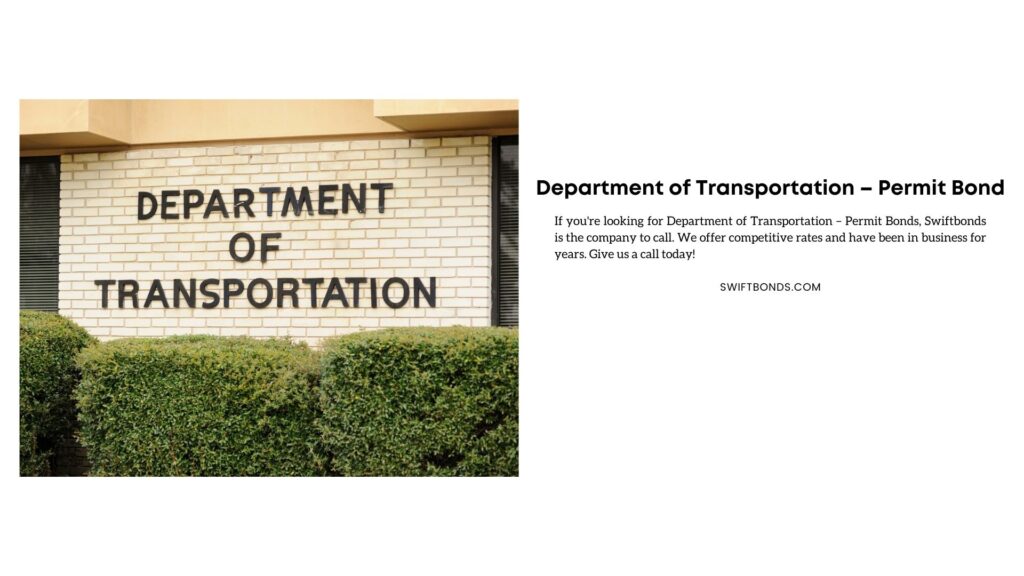
State of Connecticut Department of Transportation – Permit Bond - Close up shot of deparment of transportation sign on building.

Get an Instant Quote on the State of Connecticut Department of Transportation – Permit Bond Now

instant surety bond quote button

Introduction

In the realm of infrastructure and public safety, the Connecticut Department of Transportation (CTDOT) plays a critical role in overseeing transportation-related projects across the state. One essential aspect of this oversight is the requirement for contractors to obtain a Permit Bond. This bond serves as a financial guarantee that contractors will adhere to all applicable regulations and fulfill their obligations when working on projects that affect public roadways and transportation systems. This article will explore the significance of the State of Connecticut Department of Transportation Permit Bond, its requirements, and its implications for contractors and the community.

What is the State of Connecticut Department of Transportation Permit Bond?

The State of Connecticut Department of Transportation Permit Bond is a type of surety bond that contractors must secure to legally perform work that requires a permit from the CTDOT. This bond acts as a financial guarantee that the contractor will comply with all laws, regulations, and contractual obligations related to their work on transportation projects. If a contractor fails to meet these obligations—such as not following safety guidelines, damaging public property, or failing to complete the project as required—clients or the state can file a claim against the bond to recover financial losses incurred.


Connecticut Department of Transportation permit bond roadwork crews performing highway improvements and lane maintenance on a major Connecticut roadway.


Why is the Bond Important?

  • Public Safety and Compliance: The primary purpose of the Permit Bond is to ensure that contractors prioritize public safety and adhere to state regulations when performing work that impacts roadways and transportation systems. By requiring this bond, the CTDOT holds contractors accountable for their actions, incentivizing them to follow all safety protocols and legal requirements.
  • Consumer Protection: The Permit Bond protects consumers and the public by ensuring that contractors fulfill their obligations and complete projects to the required standards. If a contractor engages in unethical practices or fails to deliver satisfactory work, the bond ensures that affected parties can seek compensation for their losses. This builds trust in the contracting process and reassures the community that they have recourse in the event of disputes.
  • Enhancing Professional Credibility: For contractors, obtaining the Permit Bond enhances their credibility within the industry. It signals to clients and regulatory agencies that the contractor is committed to operating responsibly and in accordance with state laws. This can lead to increased business opportunities and a positive reputation in the community.

How to Obtain the Bond

The process of acquiring the Connecticut Department of Transportation Permit Bond typically involves several steps:

  • Choose a Reputable Surety Company: Start by selecting a reliable surety bond provider with experience in transportation and construction bonds. Research their reputation, terms, and customer reviews to ensure you make an informed choice.
  • Complete the Application: After selecting a surety company, you will need to complete a bond application. This will require information about your business, including financial history, ownership, and relevant experience in transportation projects.
  • Undergo a Credit Check: Most surety companies will conduct a credit check as part of the application process. A strong credit history can lead to lower premiums, while a poor credit score may result in higher costs or difficulties in obtaining the bond.
  • Pay the Premium: Once approved, you’ll need to pay the bond premium, which is typically a percentage of the total bond amount required by the CTDOT.
  • Receive Your Bond: After payment, the surety company will issue the bond, which you must submit to the appropriate CTDOT officials to complete your permit application process.

Conclusion


Connecticut Department of Transportation infrastructure project showing active highway construction, traffic management, and permit-regulated roadway work.The State of Connecticut Department of Transportation Permit Bond is an essential requirement for contractors looking to perform work that impacts public transportation systems. It ensures compliance with local regulations, protects consumers, and enhances the credibility of contractors within the industry.


Frequently Asked Questions 

What types of projects specifically require the Connecticut DOT Permit Bond, and are there any exemptions?

The Connecticut DOT Permit Bond is typically required for a variety of projects involving work on public roadways, such as utility installations, construction, road repairs, and other modifications that affect transportation infrastructure. However, there may be exemptions for certain minor projects or emergency repairs that do not significantly impact the public right-of-way. Contractors should consult the Connecticut Department of Transportation for detailed information on specific projects that necessitate the bond and any exemptions that may apply.

How does the bond amount correlate with the scale or complexity of a project?

Connecticut Department of Transportation highway expansion and utility work illustrating bonded contractors maintaining safe and compliant transportation infrastructure.

The bond amount required by the Connecticut DOT may vary depending on the scale and complexity of the project. For instance, larger projects that pose a higher risk to public safety or require extensive work may necessitate a higher bond amount to ensure adequate financial protection for potential claims. Conversely, smaller or less complex projects might require a lower bond amount. Contractors should evaluate the specific requirements of their project and consult with the DOT to determine the appropriate bond amount.

What actions can a contractor take to effectively respond to a claim filed against their Permit Bond?

If a claim is filed against the Connecticut DOT Permit Bond, the contractor should take immediate steps to address the situation. This includes thoroughly reviewing the claim details, gathering all relevant documentation (such as contracts, project plans, and communications), and communicating with the surety company. The contractor must engage with the claimant to understand their concerns and seek a resolution. Consulting legal counsel can also be beneficial to navigate the claims process effectively and protect the contractor’s interests. Demonstrating a commitment to resolving issues can help mitigate potential financial impacts and maintain the contractor’s reputation in the industry.